Bringing the Game to Life
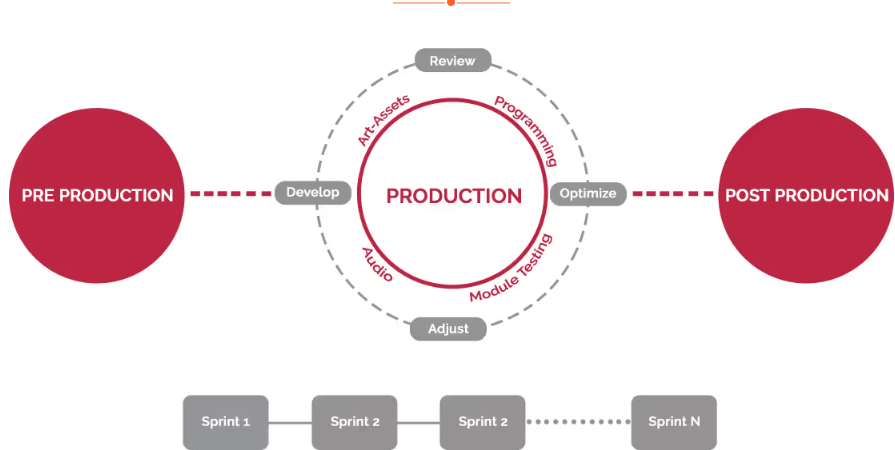
The production phase is where the core game takes shape, making it the longest and most demanding stage of development. This phase requires a collaborative effort between programmers, artists, designers, and sound engineers, all working together to bring the game to life. Developers focus on coding the game's core systems, including player movement, enemy AI, physics, animations, and user interface elements. Artists create 3D models, textures, and environmental assets, while sound designers compose music and sound effects to enhance immersion. Writers also contribute by developing scripts for cutscenes, dialogues, and interactive storytelling. Every aspect must function seamlessly to create a cohesive and engaging experience for players.
One of the biggest challenges in this phase is maintaining optimization and performance stability. As new assets and mechanics are introduced, they must be tested to prevent issues such as frame rate drops, crashes, or input lag. Developers rely on engines like Unity and Unreal Engine, which offer built-in tools for animation, physics simulation, and level design. Iteration is a crucial part of this phase; many mechanics go through multiple revisions to improve player experience and eliminate unforeseen problems. Poor optimization can negatively impact reviews and player reception, making performance testing a top priority. The production phase continues until all major gameplay systems and assets are implemented, ensuring the game is fully playable before entering the next stage.
The level design process is a critical component of production, defining how players interact with the game world. Designers carefully construct maps, obstacles, and enemy placements to create a balanced challenge suited to the game’s genre and target audience expectations. In open-world games, this involves crafting expansive environments filled with interactive NPCs, explorable locations, and dynamic events that make the world feel alive. In more linear games, levels must be structured to provide progressive difficulty, engaging encounters, and a natural gameplay flow that keeps players invested. Game mechanics such as combat systems, puzzles, or AI behaviors must also be fine-tuned to ensure a smooth, immersive, and enjoyable experience for all players.
Throughout production, playtesting plays a crucial role in refining mechanics and identifying issues. Internal testers and developers evaluate the game to uncover unintended exploits, balancing problems, and frustrating mechanics that could negatively impact the player experience. This iterative feedback loop allows developers to refine features, ensuring they align with the original creative vision and gameplay goals. If a mechanic doesn't work as expected, it may be reworked, adjusted, or even be removed entirely. By the end of the production phase, the game should be fully playable, with all core mechanics, assets, and levels seamlessly integrated and optimized in preparation for the next stage: testing and final refinements before launch.